BMWs can feel solid even when a service item is starting to fall behind. The engine still pulls well, the steering still feels sharp, and the cabin stays quiet enough to hide small changes under the hood or underneath the car.
That confidence can be misleading.
A BMW is built to respond well, but it also depends on the right fluids, parts, and service timing. Skipping a basic service can put stress on more expensive systems, especially as mileage climbs or the car spends time in traffic, heat, hills, or short-trip driving.
1. BMW Oil Service
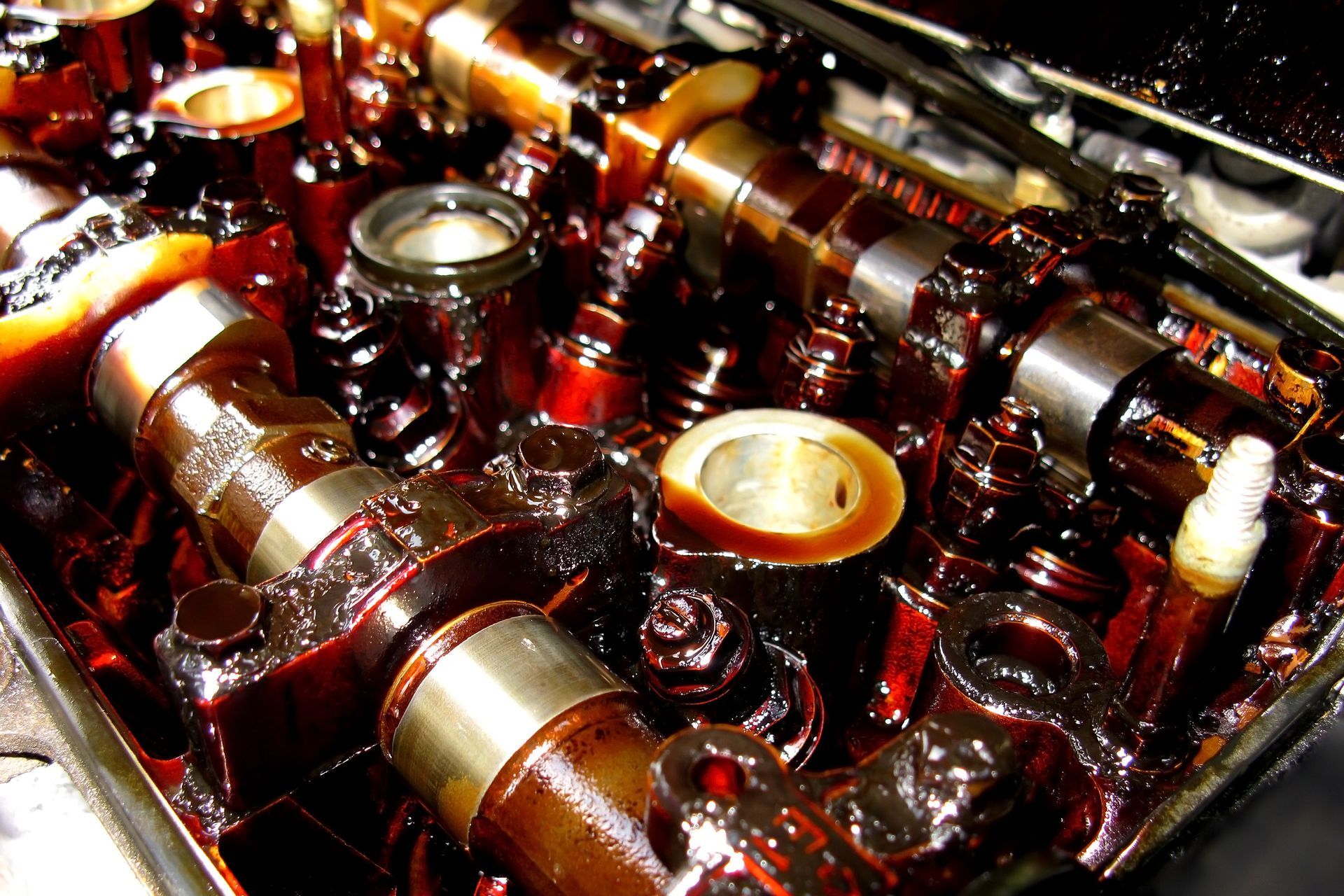
Oil service is one of the biggest items in BMW maintenance. The oil protects turbochargers, timing components, bearings, camshaft parts, and variable valve timing systems. It also helps carry heat away from internal engine parts.
The correct oil specification is important. BMW engines should not be serviced with oil that is only slightly above the correct viscosity. The oil needs to meet the proper approval for that engine.
Old oil can contribute to deposits, oil consumption, timing noise, and turbo wear. A good oil service should also include a look for leaks around the valve cover, oil filter housing, oil pan, and other common areas. Small oil leaks can spread quickly once they reach belts, hoses, or hot exhaust parts.
2. Cooling System Service
BMW cooling systems deserve close attention because heat can damage an engine quickly. Water pumps, thermostats, hoses, radiators, expansion tanks, fittings, and coolant seals all need to stay in good condition.
A small coolant leak may not leave a puddle. Coolant can dry on hot parts, leaving crusty residue or a faint sweet smell after driving. A temperature warning, a low coolant message, or a heater that acts strangely should not be brushed off.
Coolant type also counts. Using the wrong coolant or mixing fluids can reduce protection and create problems inside the system. If the coolant level keeps dropping, the answer is not repeated top-offs. The system needs to be checked before overheating becomes a more extensive repair.
3. Brake Fluid Service
Many drivers think about brake pads and rotors before they think about brake fluid. The fluid is easy to forget because it stays hidden in the hydraulic system. Still, it affects pedal feel, braking consistency, and the long-term health of brake parts.
Brake fluid absorbs moisture over time. Moisture lowers the boiling point of the fluid and can encourage corrosion inside lines, calipers, and ABS components. In harder braking, old fluid can make the pedal feel softer or less consistent.
Brake fluid service helps protect the hydraulic side of the brake system. During regular maintenance, brake pad thickness, rotor condition, caliper movement, hoses, and fluid condition should all be checked together.
4. Spark Plug And Ignition Service
BMW engines rely on a strong, clean spark. Worn spark plugs can cause rough starts, hesitation, misfires, lower fuel economy, or a flashing check engine light under load. Turbocharged engines can be especially sensitive to plug wear.
As spark plugs wear, ignition coils have to work harder to fire them. That extra strain can shorten coil life and turn a maintenance item into a repair. A misfire should be handled quickly because unburned fuel can damage the catalytic converter.
Spark plug service should be performed at the correct interval and with the proper plug type. If a BMW already has a misfire, the inspection should look at plugs, coils, injectors, air leaks, wiring, and engine data before parts are replaced.
5. Transmission And Drivetrain Fluid Service
BMW transmissions, differentials, and transfer cases on equipped models depend on the right fluid. These parts handle heat, pressure, torque, and constant movement. Old or incorrect fluid can affect shifting, clutch operation, drivability, and wear.
Drivers may notice a delayed shift, shudder, clunk, hesitation, or vibration before a major failure occurs. Sometimes the change is subtle because the vehicle slowly adapts as the fluid ages or parts wear.
Transmission and drivetrain service should never be treated like a casual drain and fill. Depending on the model, the correct fluid, service process, temperature checks, and reset or adaptation procedures may be needed. Cutting corners here can create problems that were not there before.
Why BMW Service Should Be Planned, Not Rushed
BMW maintenance works best when it is planned around mileage, driving habits, and service history. A car used mostly for short trips may need different attention than one used for steady highway driving. A higher-mileage BMW with unknown service history should get a baseline check so future services are easier to plan.
Small clues are worth mentioning. A faint oil smell, coolant message, rough start, brake pedal change, new vibration, or delayed shift can help a technician connect the symptom to the right system.
The goal is not to replace parts early. It is to keep the car from turning overlooked service into expensive repair work.
Get BMW Maintenance In Mountain View, CA, With Response Motors
If your BMW is due for service, showing warning lights, leaking fluids, shifting differently, or starting to feel less responsive, Response Motors in Mountain View, CA, can check the key systems and help you stay ahead of larger repairs.