Your Porsche can stay quick, smooth, and composed even as something important starts to go wrong. That is part of what makes these cars easy to enjoy and easy to postpone when a symptom first shows up. The car still feels good enough, so owners give it a little more time than they should.
That delay gets expensive faster on a Porsche than most people expect.
1. Coolant Loss Or A Sweet Smell
A cooling system issue can begin with something small, like a faint sweet smell after a drive or a reservoir that keeps dropping a little between checks. On a Porsche, that is not something to watch casually for the next few weeks. Once the cooling system starts losing pressure, temperatures can climb quickly, especially in traffic or warm weather.
The hard part is that the car may still feel normal for a while. That makes the leak seem minor when it really is not. A hose, fitting, pump, or related cooling component that gets caught early is far easier to deal with than an engine that has already been pushed too hot.
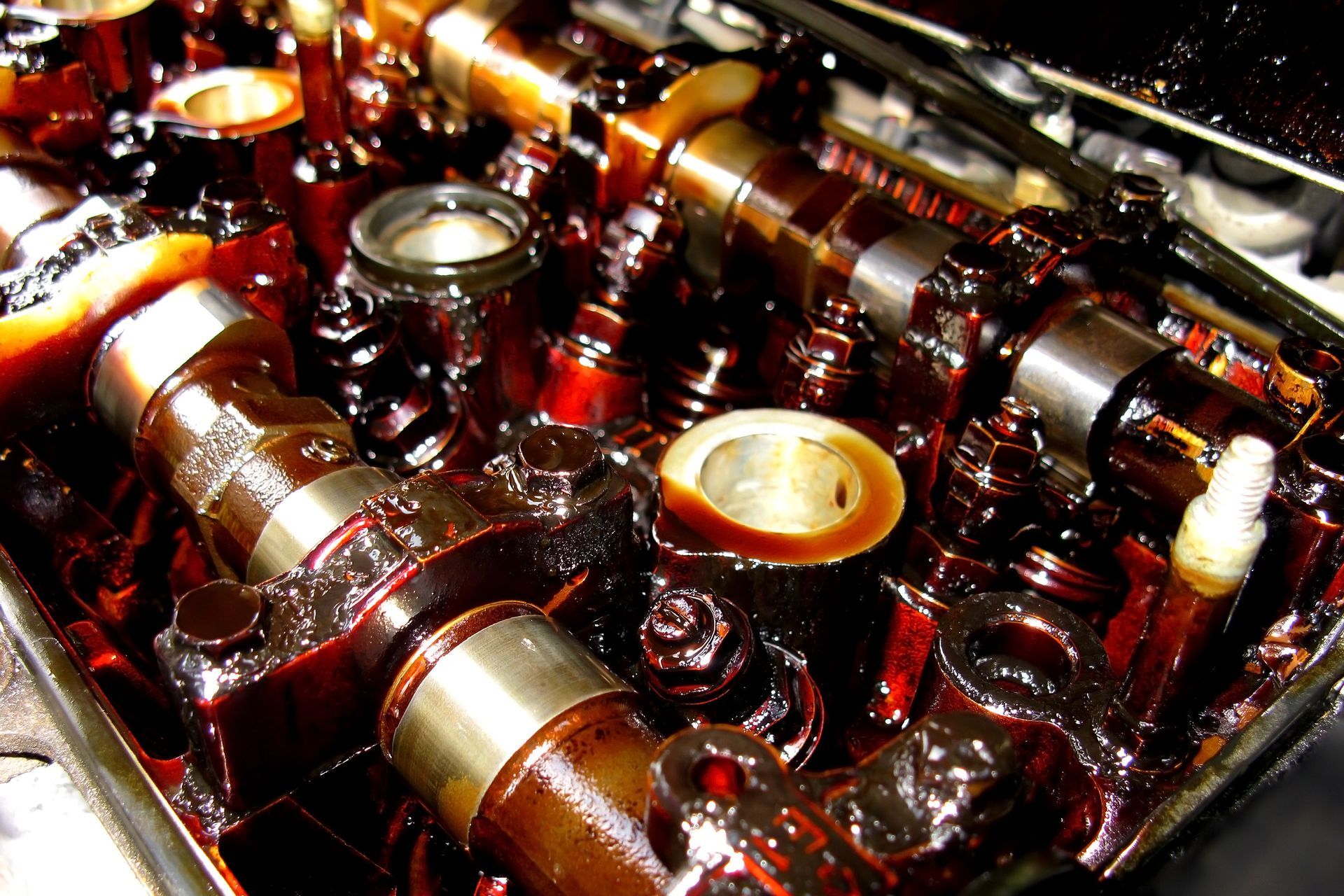
2. Oil Leaks Or A Burning Oil Smell
A Porsche engine bay runs hot, so even a modest oil leak can be quickly apparent. Some owners first notice a small spot under the car. Others catch the smell before they ever see the leak. Once oil reaches a hot surface, it starts leaving a clear message that something needs attention.
The leak itself is only part of the issue. Oil can spread onto nearby parts, collect grime, soften rubber over time, and make it harder to keep the engine bay in proper condition. Ignoring it rarely keeps the repair small.
3. Rough Running, Misfires, Or A Check Engine Light
A Porsche is supposed to feel sharp and clean under throttle. If the idle gets rough, power feels uneven, or the check engine light comes on, something in the engine management system has already moved out of its intended position. Ignition trouble, air leaks, and fuel delivery issues are common places to start.
This is one of the easiest problems to delay because the car may still feel pretty good at speed. That does not make it harmless. The longer a misfire or rough-running condition persists, the more likely it is to cause additional wear in areas that were not the original source of the problem.
4. Front-End Noise Or Loose Steering Feel
A Porsche should feel direct. If the steering has gone vague, the front end has started clunking over bumps, or the car feels less settled than it used to, that change deserves attention. Worn suspension parts do not need to fail completely before the car starts losing that tight, planted feel.
What makes this important is how quickly the difference shows up in daily driving. A Porsche with suspension wear no longer feels like itself. Tire wear can follow, alignment can shift, and the repair list usually grows the longer the loose handling is left alone.
5. Brake Vibration, Squeal, Or Changes In Pedal Feel
Braking is a major factor in what gives these cars their confidence. If the steering wheel shakes while slowing down, the pedal pulses, or the brakes start making noise they did not make before, the system is already asking for service. Pad wear, rotor condition, heat-related issues, and caliper movement can all change how the car stops.
This is not just about comfort. A brake system that feels different should be checked before the wear spreads to more parts. Catching it early usually keeps the repair cleaner and more predictable.
6. Battery Or Charging Problems That Create Strange Electrical Faults
Modern Porsche vehicles do not handle weak voltage gracefully. A battery that is falling behind can trigger all kinds of confusing symptoms, including warning lights, communication faults, screen issues, and odd electrical behavior that feels much bigger than a battery problem. Charging issues can make the same symptoms even harder to sort out.
This is where owners sometimes lose money by chasing the wrong component first. If the car is acting electrically strange, the battery and charging system need real attention before anyone starts blaming larger modules or control units.
7. Transmission Hesitation Or Driveline Changes
A Porsche transmission should feel clean and deliberate. If it starts hesitating, shifting harder than normal, slipping, or feeling less smooth when leaving a stop sign, that is not something to write off as a quirk. The same goes for driveline shudder or a car that no longer feels crisp when power comes in.
Problems in this area rarely improve on their own. They tend to get more noticeable, more expensive, and more disruptive with time. If the car has started feeling different through the gearbox or driveline, that is the right time to get it checked, not the wrong time to wait.
Porsche problems are easy to delay because the car usually gives you a little more grace before it forces the issue. That grace is useful only if you do something with it. Once the car starts feeling different, there is a reason, and finding it early is almost always the cheaper move.
Get Porsche Repair In Mountain View, CA, With Response Motors
If your Porsche has started leaking, shifting differently, running rough, or losing the sharp feel it should have, Response Motors in Mountain View, CA, can inspect it, pinpoint the issue, and help you catch it before it turns into a much larger repair.
Bring it in while the change is still small enough to stay focused.